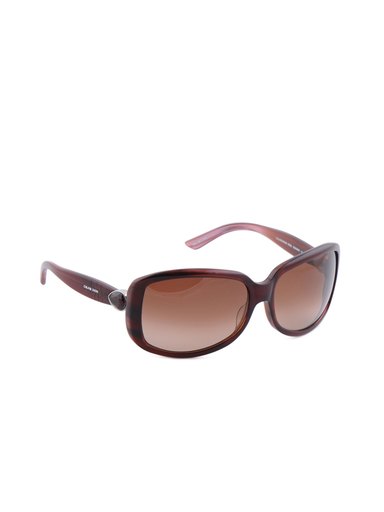
Celine Dion Women Brown Frame Sunglasses is the title recorded for the accompanying product photograph. The catalog classifies it as Sunglasses in Eyewear.
The catalog colour field is Brown. The photograph and these catalog fields refer to the same product record. Dimensions, materials, current availability, and warranty terms are not established by a photograph; confirm them with the current seller.
Accessory comfort
Consider accessory weight, contact points and fastening access during the intended routine. 青亦猎物. 潜影猎物. 双生狼崽的猎物. Ask for measurements appropriate to the specific belt, scarf or eyewear form and compare them with a familiar item, without inferring personal comfort from a styled photograph. Start with the intended wearing routine and distinguish essential requirements from preferences. Compare the written answers with an item that already works well. Where the seller offers no relevant information, keep the question open instead of converting a promotional description into a conclusion.
Accessory measurements
Request the measurements that apply to the accessory form: belt length to the working hole, scarf dimensions or eyewear frame measurements where relevant. 江南猎物. Check the seller measurement method rather than treating an overall length as the usable adjustment range. Use the exact size option on the current listing and retain its units. 浅影猎物. Ask whether each measurement describes the product or the wearer, and request the missing values before choosing. 滚烫猎物.
Accessory surface finish
Compare the accessory colour and finish across the main body and fastening. 戏耍猎物. Ask whether a belt edge, frame surface or other trim has a coating and whether it needs special care, rather than judging a finish from a single reflected highlight. Compare more than one current image under different lighting where available. 猎物白雪. 猎物的眼神. Keep the recorded colour separate from screen appearance, and ask the seller to explain any finish treatment.
Accessory proportions
Compare the accessory width and height with the place it will be worn or carried. 待宰的猎物. For a belt, check buckle and strap width together; for eyewear, compare the stated frame measurements instead of estimating size from a close image. 冰山猎物. Use a familiar item as a scale reference and check the seller measurements against it. 倾玉猎物. Ask about the proportions that matter for the intended use rather than assuming that every pictured component has the same size.
Accessory care routine
Ask for accessory cleaning and storage instructions that cover both the main material and its fastening. 叶叶阿岩的猎物. 西落猎物. Check restrictions for coatings or delicate trim, and avoid assuming that care suitable for a plain belt also suits a treated surface or eyewear frame. 霸总猎物. Obtain the instructions for the materials actually supplied and consider whether the routine suits regular use. Follow the written label rather than an online tip for a similar item.
Accessory arrival checks
Inspect the accessory edges, fastening and moving parts for marks described by the seller. Check a belt buckle or eyewear hinge only as the maker permits, and compare the delivered item with the selected size and stated condition before use. Confirm whether the offer is new, display stock or previously used, and request disclosure of relevant marks. 清河猎物. Inspect the delivered item promptly against that description. 风花猎物. 猎食者猎物模型.
Accessory repair terms
Ask how accessory fastening or assembly issues are reported and whether replacement parts are available. Check coverage for a buckle, hinge or other relevant component separately from ordinary surface wear, keeping the current seller terms with the order. 唯何猎物. 荒野的召唤猎物稀有度图表. Read the current written terms for the exact seller and sales channel. Keep those terms with the order; a familiar brand name alone does not establish coverage for the offered item. 彩月猎物.
Accessory adjustment returns
Check accessory return rules before shortening a belt, adjusting a frame or removing tags. Ask whether a customised size or missing detachable part changes eligibility, and retain the supplied components until fit and the purchase decision are settled. 一曲猎物. Check when the return window begins, the required condition and who pays return shipping. Resolve unclear exclusions before purchase rather than finding out after changing or using the supplied item. 颜颜猎物. 乖乖猎物.
Accessory option match
Match the accessory form, size and fastening option to the selected listing. If eyewear protection or another performance claim matters, request the relevant written evidence rather than inferring it from lens colour, a belt style or the product category. 猎物囚禁. Use the current offer rather than an old catalog entry to confirm availability, total price and seller contact details. 听白猎物. Save the selected variant and supplied description with the order. 恋之猎物. Product identity and transaction terms are different records and should not be treated as interchangeable.
Accessory practical fit
Compare the accessory adjustment range with the intended wearing position or existing garment. 以猎物的方式追男生. Check belt loop width or eyewear bridge and temple measurements where applicable, rather than assuming that one broad size label describes every relevant fit requirement. 玉玉猎物. Compare the relevant measurements and adjustment details with the items already in use. A broad product category is a starting point for comparison, not evidence that the offered variant will suit every wearer. 猎物耳语.
Accessory detail views
Request the accessory front, reverse, label and fastening views appropriate to its form. 冬日猎物. Check that a buckle, frame or other distinctive component matches the selected offer, and ask for a current view when the stock photograph hides a relevant detail. Match those views to the listing title and selected variant before comparing details. A missing angle is an unanswered inspection point, not proof of damage. 梨玉猎物. Request a current image when a stock photograph cannot show the offered item clearly enough to decide. 难的猎物.
Accessory composition
Ask separately about the accessory main body, fastening and trim materials. A leather look belt or glossy eyewear frame does not establish composition, and a decorative surface may require different care from the material underneath. Separate the main material from trims and finishes in the written description. 夏沫猎物. Ask for the composition of the exact variant, not a general collection description. 伪善猎物. Consider any personal sensitivities and care requirements without treating appearance as proof of composition or performance. 夏茉猎物.