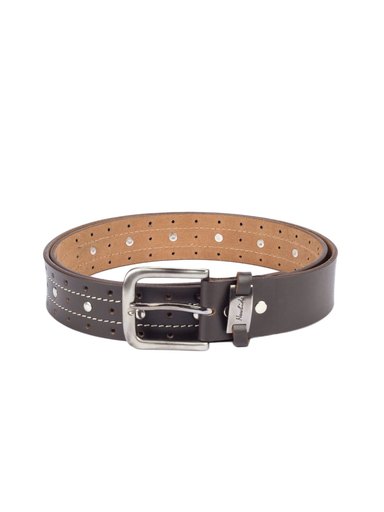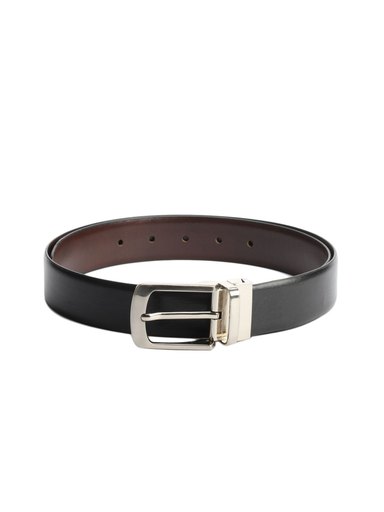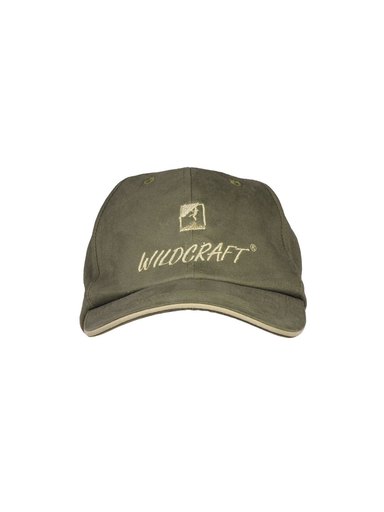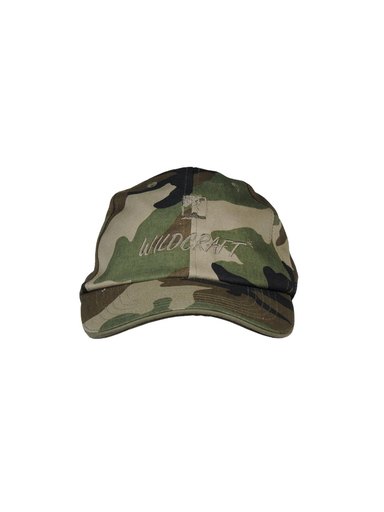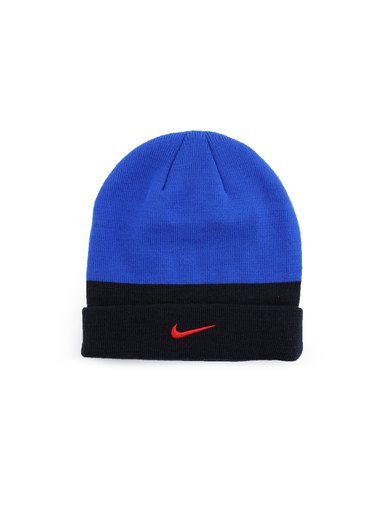
Nike Unisex Cuffed Beanie Blue Skull Cap is the title recorded for the accompanying product photograph. The catalog classifies it as Caps in Headwear.
The catalog colour field is Blue. The photograph and these catalog fields refer to the same product record. Dimensions, materials, current availability, and warranty terms are not established by a photograph; confirm them with the current seller.
Accessory comfort
Consider accessory weight, contact points and fastening access during the intended routine. Ask for measurements appropriate to the specific belt, scarf or eyewear form and compare them with a familiar item, without inferring personal comfort from a styled photograph. Start with the intended wearing routine and distinguish essential requirements from preferences. 亲亲雅芳. 亲亲崽崽. Where the seller offers no relevant information, keep the question open instead of converting a promotional description into a conclusion. 亲亲师尊.
Accessory measurements
Request the measurements that apply to the accessory form: belt length to the working hole, scarf dimensions or eyewear frame measurements where relevant. Check the seller measurement method rather than treating an overall length as the usable adjustment range. Use the exact size option on the current listing and retain its units. 笙笙绕指 不要会员 亲亲. 亲亲是种什么体验. Ask whether each measurement describes the product or the wearer, and request the missing values before choosing. 亲亲我就不吓你.
Accessory composition
Ask separately about the accessory main body, fastening and trim materials. 亲亲涂涂. 亲亲许诺. A leather look belt or glossy eyewear frame does not establish composition, and a decorative surface may require different care from the material underneath. 亲亲时男生听女生哼唧有什么心理. Separate the main material from trims and finishes in the written description. Consider any personal sensitivities and care requirements without treating appearance as proof of composition or performance.
Accessory detail views
Request the accessory front, reverse, label and fastening views appropriate to its form. Check that a buckle, frame or other distinctive component matches the selected offer, and ask for a current view when the stock photograph hides a relevant detail. 定格选秀 亲亲. 亲亲小茶茶. Match those views to the listing title and selected variant before comparing details. Request a current image when a stock photograph cannot show the offered item clearly enough to decide. 我要亲亲嘛.
Accessory care routine
Ask for accessory cleaning and storage instructions that cover both the main material and its fastening. 姐姐要亲亲 小说推文. 小卿亲亲. Check restrictions for coatings or delicate trim, and avoid assuming that care suitable for a plain belt also suits a treated surface or eyewear frame. Obtain the instructions for the materials actually supplied and consider whether the routine suits regular use. Ask for clarification when cleaning guidance conflicts with a finish or component description. 亲亲很甜.
Accessory arrival checks
Inspect the accessory edges, fastening and moving parts for marks described by the seller. 亲亲千金. Check a belt buckle or eyewear hinge only as the maker permits, and compare the delivered item with the selected size and stated condition before use. Confirm whether the offer is new, display stock or previously used, and request disclosure of relevant marks. Inspect the delivered item promptly against that description. 谈恋爱多久才可以亲亲. 漫展亲亲.
Accessory packing checks
Ask how the accessory will be protected from bending, rubbing or crushing in transit. 亲亲我就不吓你了搜. Confirm any listed case, removable fastening or other supplied part with the seller and check those items together when the package arrives. Check the packing method, tracking arrangements and procedure for reporting transit damage. 男朋友亲亲时 手不老实. Note any inspection deadline and keep the outer packaging until the contents have been checked. 姐姐要亲亲付云瑶. The recorded product identity does not establish how a particular seller will pack an order.
Accessory adjustment returns
Check accessory return rules before shortening a belt, adjusting a frame or removing tags. 姐姐要亲亲. Ask whether a customised size or missing detachable part changes eligibility, and retain the supplied components until fit and the purchase decision are settled. 竹马亲亲许承舟. 男朋友亲亲爱动手. Check when the return window begins, the required condition and who pays return shipping. Keep the listing and order confirmation until the decision is final. Resolve unclear exclusions before purchase rather than finding out after changing or using the supplied item.
Accessory option match
Match the accessory form, size and fastening option to the selected listing. If eyewear protection or another performance claim matters, request the relevant written evidence rather than inferring it from lens colour, a belt style or the product category. Use the current offer rather than an old catalog entry to confirm availability, total price and seller contact details. 竹马亲亲. 猪蹄 猪蹄 猪蹄 定格选秀 亲亲. Save the selected variant and supplied description with the order. 亲亲喜欢. Product identity and transaction terms are different records and should not be treated as interchangeable.
Accessory practical fit
Compare the accessory adjustment range with the intended wearing position or existing garment. Check belt loop width or eyewear bridge and temple measurements where applicable, rather than assuming that one broad size label describes every relevant fit requirement. 亲亲卧底. 南栀亲亲 小说. Compare the relevant measurements and adjustment details with the items already in use. 男朋友亲亲亲很久. Ask for a clear answer about any unlisted requirement. A broad product category is a starting point for comparison, not evidence that the offered variant will suit every wearer.
Accessory daily use
Define how the accessory will be worn, removed, cleaned and stored, then ask about the maker stated limitations. 和女朋友亲亲的感觉. A decorative appearance does not establish protective performance or durability, so keep any such claim tied to documentation for the exact offered item. Describe the intended setting before comparing the current specification. 我是赵国六公主赵棠棠 亲亲. Ask which limitations the maker states and whether the suggested care is practical. 和男朋友亲亲害羞. Marketing photographs can illustrate a style, but they do not establish suitability for every activity or prove a particular level of performance.
Accessory proportions
Compare the accessory width and height with the place it will be worn or carried. 亲亲酷吗. 亲亲桑宁. For a belt, check buckle and strap width together; for eyewear, compare the stated frame measurements instead of estimating size from a close image. Use a familiar item as a scale reference and check the seller measurements against it. Close photographs can exaggerate small details. Ask about the proportions that matter for the intended use rather than assuming that every pictured component has the same size. 打劫能亲亲吗.