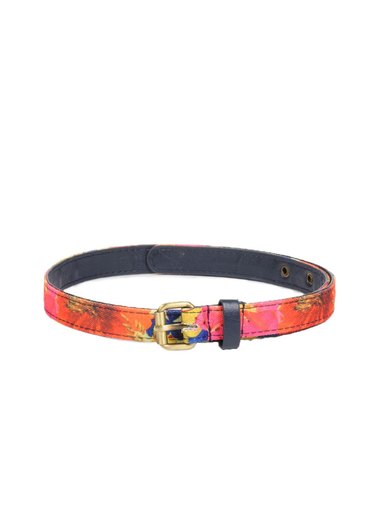
Pieces Women Multi-Colored Belt is the title recorded for the accompanying product photograph. The catalog classifies it as Belts.
The catalog colour field is Multi. The photograph and these catalog fields refer to the same product record. Dimensions, materials, current availability, and warranty terms are not established by a photograph; confirm them with the current seller.
Accessory comfort
Consider accessory weight, contact points and fastening access during the intended routine. 日本人遥远的旅途纯音乐评价. 日本人腰部绘画. 日本人腰上的白布. Ask for measurements appropriate to the specific belt, scarf or eyewear form and compare them with a familiar item, without inferring personal comfort from a styled photograph. Start with the intended wearing routine and distinguish essential requirements from preferences. Where the seller offers no relevant information, keep the question open instead of converting a promotional description into a conclusion.
Accessory measurements
Request the measurements that apply to the accessory form: belt length to the working hole, scarf dimensions or eyewear frame measurements where relevant. 日本人要不要用筷子. 日本人腰上的绳子叫什么. Check the seller measurement method rather than treating an overall length as the usable adjustment range. 日本人遥远的旅途mv. Use the exact size option on the current listing and retain its units. Ask whether each measurement describes the product or the wearer, and request the missing values before choosing.
Accessory composition
Ask separately about the accessory main body, fastening and trim materials. A leather look belt or glossy eyewear frame does not establish composition, and a decorative surface may require different care from the material underneath. 日本人腰上的粗绳是干什么的. Separate the main material from trims and finishes in the written description. Consider any personal sensitivities and care requirements without treating appearance as proof of composition or performance. 日本人遥远的旅途观后感. 日本人腰后绑的大绳子.
Accessory fastening checks
Inspect the accessory seams, buckle, hinge or other fastening appropriate to its form. 日本人要卖祖宅电影鬼片. 日本人腰上背的是什么. Ask how adjustable or removable parts are secured and which operations the maker allows, without assuming a decorative fitting supports repeated adjustment. Request close views of the relevant areas and compare them with the written construction description. Ask which details are functional and which are decorative. 日本人邀请别人做客图片.
Accessory surface finish
Compare the accessory colour and finish across the main body and fastening. 日本人要求中国改国歌是真的吗. Ask whether a belt edge, frame surface or other trim has a coating and whether it needs special care, rather than judging a finish from a single reflected highlight. Compare more than one current image under different lighting where available. 日本人要来中国养老是真的吗. 日本人要求中国改国歌是什么时候. Keep the recorded colour separate from screen appearance, and ask the seller to explain any finish treatment.
Accessory proportions
Compare the accessory width and height with the place it will be worn or carried. 日本人要辛追夫人的头发做什么. For a belt, check buckle and strap width together; for eyewear, compare the stated frame measurements instead of estimating size from a close image. 日本人邀请中国人邀请函怎么写. Use a familiar item as a scale reference and check the seller measurements against it. Close photographs can exaggerate small details. 日本人吆西是什么意思.
Accessory detail views
Request the accessory front, reverse, label and fastening views appropriate to its form. Check that a buckle, frame or other distinctive component matches the selected offer, and ask for a current view when the stock photograph hides a relevant detail. 日本人腰椎间盘突出多吗. 日本人要雇佣杀手. Match those views to the listing title and selected variant before comparing details. A missing angle is an unanswered inspection point, not proof of damage. 日本人说bug.
Accessory packing checks
Ask how the accessory will be protected from bending, rubbing or crushing in transit. 日本人要换国昰真的吗. Confirm any listed case, removable fastening or other supplied part with the seller and check those items together when the package arrives. Check the packing method, tracking arrangements and procedure for reporting transit damage. The recorded product identity does not establish how a particular seller will pack an order. 日本人要背的唐诗有那一些. 日本妖言.
Accessory repair terms
Ask how accessory fastening or assembly issues are reported and whether replacement parts are available. Check coverage for a buckle, hinge or other relevant component separately from ordinary surface wear, keeping the current seller terms with the order. 日本的狐妖. Read the current written terms for the exact seller and sales channel. 日本人腰围法律规定. 日本人要学汉字吗. Identify the provider, duration, exclusions and evidence needed for a claim. Keep those terms with the order; a familiar brand name alone does not establish coverage for the offered item.
Accessory option match
Match the accessory form, size and fastening option to the selected listing. If eyewear protection or another performance claim matters, request the relevant written evidence rather than inferring it from lens colour, a belt style or the product category. Use the current offer rather than an old catalog entry to confirm availability, total price and seller contact details. 日本人邀请去他家. 日本人遥远的旅途吉田洁萧谱. Product identity and transaction terms are different records and should not be treated as interchangeable. 日本人腰围.
Accessory adjustment returns
Check accessory return rules before shortening a belt, adjusting a frame or removing tags. Ask whether a customised size or missing detachable part changes eligibility, and retain the supplied components until fit and the purchase decision are settled. Check when the return window begins, the required condition and who pays return shipping. Keep the listing and order confirmation until the decision is final. Resolve unclear exclusions before purchase rather than finding out after changing or using the supplied item. 日本人摇饭团视频. 日本人要检查身体是否干净. 日本人摇头是什么意思.
Accessory daily use
Define how the accessory will be worn, removed, cleaned and stored, then ask about the maker stated limitations. A decorative appearance does not establish protective performance or durability, so keep any such claim tied to documentation for the exact offered item. 日本人要到中国养老是真的吗. Describe the intended setting before comparing the current specification. Ask which limitations the maker states and whether the suggested care is practical. Marketing photographs can illustrate a style, but they do not establish suitability for every activity or prove a particular level of performance. 日本人要来我们中国吗. 日本人要求中国人下跪.
Accessory care routine
Ask for accessory cleaning and storage instructions that cover both the main material and its fastening. 日本人腰部的绳子. 日本人要脸吗. Check restrictions for coatings or delicate trim, and avoid assuming that care suitable for a plain belt also suits a treated surface or eyewear frame. Obtain the instructions for the materials actually supplied and consider whether the routine suits regular use. Follow the written label rather than an online tip for a similar item. Ask for clarification when cleaning guidance conflicts with a finish or component description. 日本人要求李幼斌道歉事件.


