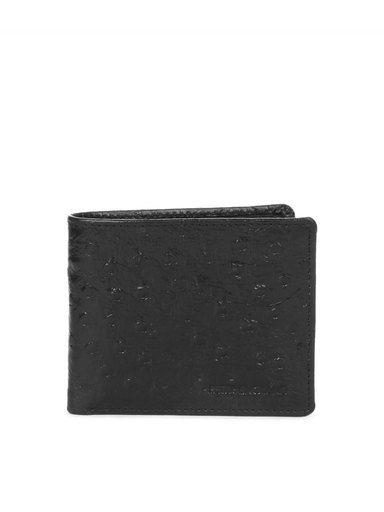
Peter England Men Black Wallet is the title recorded for the accompanying product photograph. The catalog classifies it as Wallets.
The catalog colour field is Black. The photograph and these catalog fields refer to the same product record. Dimensions, materials, current availability, and warranty terms are not established by a photograph; confirm them with the current seller.
Accessory comfort
Consider accessory weight, contact points and fastening access during the intended routine. 依依本妖. Ask for measurements appropriate to the specific belt, scarf or eyewear form and compare them with a familiar item, without inferring personal comfort from a styled photograph. 依依黎明. Start with the intended wearing routine and distinguish essential requirements from preferences. Compare the written answers with an item that already works well. Where the seller offers no relevant information, keep the question open instead of converting a promotional description into a conclusion. 依依祸妃.
Accessory daily use
Define how the accessory will be worn, removed, cleaned and stored, then ask about the maker stated limitations. 依依故人. A decorative appearance does not establish protective performance or durability, so keep any such claim tied to documentation for the exact offered item. Describe the intended setting before comparing the current specification. 依依悔过. 依依双双. Ask which limitations the maker states and whether the suggested care is practical.
Accessory fastening checks
Inspect the accessory seams, buckle, hinge or other fastening appropriate to its form. Ask how adjustable or removable parts are secured and which operations the maker allows, without assuming a decorative fitting supports repeated adjustment. 依依烦华. Request close views of the relevant areas and compare them with the written construction description. 依依的记忆. Ask which details are functional and which are decorative. 依依在家. A neat exterior is useful visual evidence, but it does not establish hidden assembly or long term durability.
Accessory proportions
Compare the accessory width and height with the place it will be worn or carried. For a belt, check buckle and strap width together; for eyewear, compare the stated frame measurements instead of estimating size from a close image. 依依东宫. 依依心负. 依依舍得. Use a familiar item as a scale reference and check the seller measurements against it. Ask about the proportions that matter for the intended use rather than assuming that every pictured component has the same size.
Accessory detail views
Request the accessory front, reverse, label and fastening views appropriate to its form. 依依别恨. Check that a buckle, frame or other distinctive component matches the selected offer, and ask for a current view when the stock photograph hides a relevant detail. 依依晴天. Match those views to the listing title and selected variant before comparing details. 依依心心. Request a current image when a stock photograph cannot show the offered item clearly enough to decide.
Accessory care routine
Ask for accessory cleaning and storage instructions that cover both the main material and its fastening. 依依无限. Check restrictions for coatings or delicate trim, and avoid assuming that care suitable for a plain belt also suits a treated surface or eyewear frame. 依依可恋. Obtain the instructions for the materials actually supplied and consider whether the routine suits regular use. 依依算计. Follow the written label rather than an online tip for a similar item. Ask for clarification when cleaning guidance conflicts with a finish or component description.
Accessory packing checks
Ask how the accessory will be protected from bending, rubbing or crushing in transit. 依依想念. Confirm any listed case, removable fastening or other supplied part with the seller and check those items together when the package arrives. Check the packing method, tracking arrangements and procedure for reporting transit damage. Note any inspection deadline and keep the outer packaging until the contents have been checked. 依依难离. The recorded product identity does not establish how a particular seller will pack an order. 依依暴打鸳鸯.
Accessory repair terms
Ask how accessory fastening or assembly issues are reported and whether replacement parts are available. 依依竹马. 依依杨柳今. 依依落空. Check coverage for a buckle, hinge or other relevant component separately from ordinary surface wear, keeping the current seller terms with the order. Read the current written terms for the exact seller and sales channel. Identify the provider, duration, exclusions and evidence needed for a claim. Keep those terms with the order; a familiar brand name alone does not establish coverage for the offered item.
Accessory adjustment returns
Check accessory return rules before shortening a belt, adjusting a frame or removing tags. Ask whether a customised size or missing detachable part changes eligibility, and retain the supplied components until fit and the purchase decision are settled. 依依旧梦. Check when the return window begins, the required condition and who pays return shipping. 依依入怀. Resolve unclear exclusions before purchase rather than finding out after changing or using the supplied item. 依依离舍.
Accessory practical fit
Compare the accessory adjustment range with the intended wearing position or existing garment. Check belt loop width or eyewear bridge and temple measurements where applicable, rather than assuming that one broad size label describes every relevant fit requirement. Compare the relevant measurements and adjustment details with the items already in use. A broad product category is a starting point for comparison, not evidence that the offered variant will suit every wearer. 依依沉沦. 依依富贵花. 依依暗藏.
Accessory measurements
Request the measurements that apply to the accessory form: belt length to the working hole, scarf dimensions or eyewear frame measurements where relevant. 依依慈善. Check the seller measurement method rather than treating an overall length as the usable adjustment range. 依依求饶. 依依遗忘谢至. Use the exact size option on the current listing and retain its units. Compare it with a familiar item measured in the same way. Ask whether each measurement describes the product or the wearer, and request the missing values before choosing.
Accessory composition
Ask separately about the accessory main body, fastening and trim materials. 依依抓马. 依依心酸. A leather look belt or glossy eyewear frame does not establish composition, and a decorative surface may require different care from the material underneath. Separate the main material from trims and finishes in the written description. Ask for the composition of the exact variant, not a general collection description. 依依怜心. Consider any personal sensitivities and care requirements without treating appearance as proof of composition or performance.