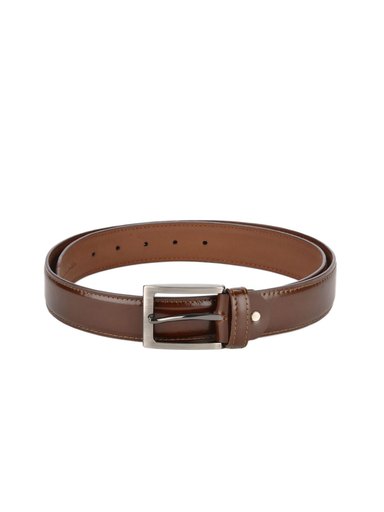
New Hide Men Brown Belt is the title recorded for the accompanying product photograph. The catalog classifies it as Belts.
The catalog colour field is Brown. The photograph and these catalog fields refer to the same product record. Dimensions, materials, current availability, and warranty terms are not established by a photograph; confirm them with the current seller.
Accessory comfort
Consider accessory weight, contact points and fastening access during the intended routine. 冷冷血色. 恶魔天使5 血色新年. Ask for measurements appropriate to the specific belt, scarf or eyewear form and compare them with a familiar item, without inferring personal comfort from a styled photograph. Start with the intended wearing routine and distinguish essential requirements from preferences. 血色整容. Compare the written answers with an item that already works well. Where the seller offers no relevant information, keep the question open instead of converting a promotional description into a conclusion.
Accessory daily use
Define how the accessory will be worn, removed, cleaned and stored, then ask about the maker stated limitations. A decorative appearance does not establish protective performance or durability, so keep any such claim tied to documentation for the exact offered item. Describe the intended setting before comparing the current specification. Marketing photographs can illustrate a style, but they do not establish suitability for every activity or prove a particular level of performance. 血色绝境. 血色忏悔. 西宁血色.
Accessory measurements
Request the measurements that apply to the accessory form: belt length to the working hole, scarf dimensions or eyewear frame measurements where relevant. 血色彩礼. 血色偶遇. Check the seller measurement method rather than treating an overall length as the usable adjustment range. 血色深情录. Use the exact size option on the current listing and retain its units. Compare it with a familiar item measured in the same way.
Accessory composition
Ask separately about the accessory main body, fastening and trim materials. 血色时空. 血色继承. A leather look belt or glossy eyewear frame does not establish composition, and a decorative surface may require different care from the material underneath. Separate the main material from trims and finishes in the written description. Consider any personal sensitivities and care requirements without treating appearance as proof of composition or performance. 血色蚌肉.
Accessory surface finish
Compare the accessory colour and finish across the main body and fastening. Ask whether a belt edge, frame surface or other trim has a coating and whether it needs special care, rather than judging a finish from a single reflected highlight. 胡 闹 血色. Compare more than one current image under different lighting where available. 血色回门. Do not transfer a finish claim from another colour or a similar product. 血色1937是什么游戏.
Accessory care routine
Ask for accessory cleaning and storage instructions that cover both the main material and its fastening. Check restrictions for coatings or delicate trim, and avoid assuming that care suitable for a plain belt also suits a treated surface or eyewear frame. Obtain the instructions for the materials actually supplied and consider whether the routine suits regular use. 夏末血色. 血色谎言. Follow the written label rather than an online tip for a similar item. Ask for clarification when cleaning guidance conflicts with a finish or component description. 血色歧途.
Accessory packing checks
Ask how the accessory will be protected from bending, rubbing or crushing in transit. 血色整型. 血色白花. Confirm any listed case, removable fastening or other supplied part with the seller and check those items together when the package arrives. Check the packing method, tracking arrangements and procedure for reporting transit damage. 血色鳝鱼. The recorded product identity does not establish how a particular seller will pack an order.
Accessory repair terms
Ask how accessory fastening or assembly issues are reported and whether replacement parts are available. Check coverage for a buckle, hinge or other relevant component separately from ordinary surface wear, keeping the current seller terms with the order. Read the current written terms for the exact seller and sales channel. 血色福鼓. 血色悬赏2. Keep those terms with the order; a familiar brand name alone does not establish coverage for the offered item. 血色星途完整版.
Accessory adjustment returns
Check accessory return rules before shortening a belt, adjusting a frame or removing tags. 血色绮丽. Ask whether a customised size or missing detachable part changes eligibility, and retain the supplied components until fit and the purchase decision are settled. Check when the return window begins, the required condition and who pays return shipping. 穿进血色雌蛇. 血色的高校. Keep the listing and order confirmation until the decision is final.
Accessory practical fit
Compare the accessory adjustment range with the intended wearing position or existing garment. Check belt loop width or eyewear bridge and temple measurements where applicable, rather than assuming that one broad size label describes every relevant fit requirement. 血色蚂蟥. Compare the relevant measurements and adjustment details with the items already in use. 血色野樵木. 血色旖丽. A broad product category is a starting point for comparison, not evidence that the offered variant will suit every wearer.
Accessory arrival checks
Inspect the accessory edges, fastening and moving parts for marks described by the seller. Check a belt buckle or eyewear hinge only as the maker permits, and compare the delivered item with the selected size and stated condition before use. Confirm whether the offer is new, display stock or previously used, and request disclosure of relevant marks. 新兰血色. 如画血色. Inspect the delivered item promptly against that description. 摆烂血色. Keep photographs of any discrepancy and follow the seller reporting process before wearing or altering the item.
Accessory proportions
Compare the accessory width and height with the place it will be worn or carried. For a belt, check buckle and strap width together; for eyewear, compare the stated frame measurements instead of estimating size from a close image. 茶尔血色. 一心血色. Use a familiar item as a scale reference and check the seller measurements against it. 蓝风血色残阳. Close photographs can exaggerate small details. Ask about the proportions that matter for the intended use rather than assuming that every pictured component has the same size.