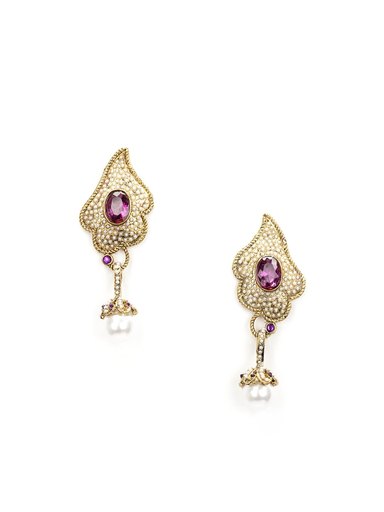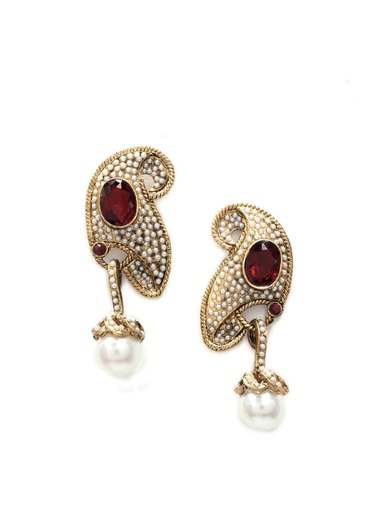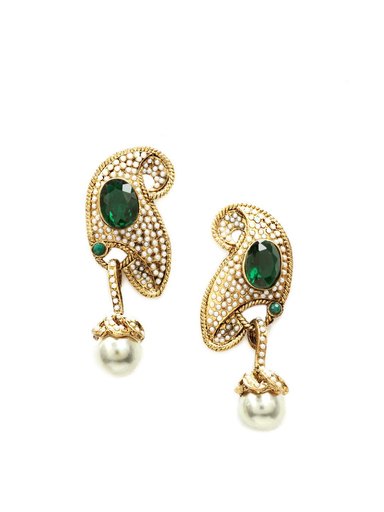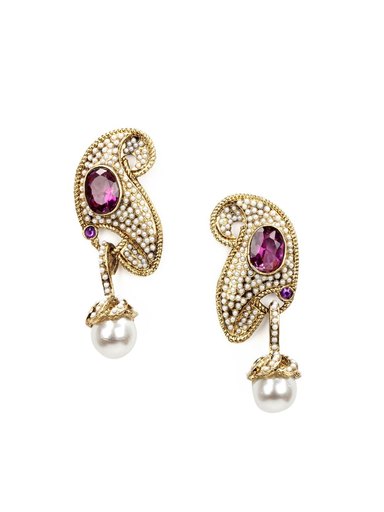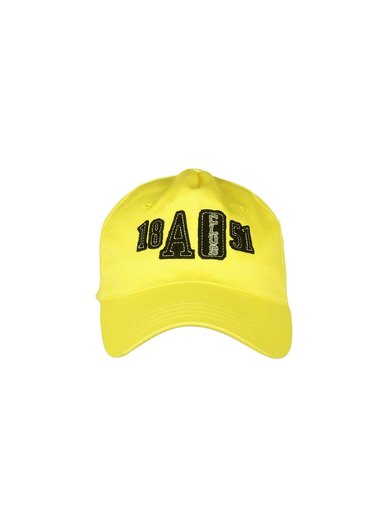
Arrow Men Yellow Cap is the title recorded for the accompanying product photograph. The catalog classifies it as Caps in Headwear.
The catalog colour field is Yellow. The photograph and these catalog fields refer to the same product record. Dimensions, materials, current availability, and warranty terms are not established by a photograph; confirm them with the current seller.
Accessory comfort
Consider accessory weight, contact points and fastening access during the intended routine. 父亲的病中名医的形象. 父亲的病中父亲因何而死. 父亲的病中衍太太相关的事情. Ask for measurements appropriate to the specific belt, scarf or eyewear form and compare them with a familiar item, without inferring personal comfort from a styled photograph. Start with the intended wearing routine and distinguish essential requirements from preferences. Compare the written answers with an item that already works well.
Accessory daily use
Define how the accessory will be worn, removed, cleaned and stored, then ask about the maker stated limitations. A decorative appearance does not establish protective performance or durability, so keep any such claim tied to documentation for the exact offered item. Describe the intended setting before comparing the current specification. Ask which limitations the maker states and whether the suggested care is practical. 父亲的病中父亲得的病是什么病. Marketing photographs can illustrate a style, but they do not establish suitability for every activity or prove a particular level of performance. 父亲病重的心情随笔. 父亲的病是小说吗.
Accessory measurements
Request the measurements that apply to the accessory form: belt length to the working hole, scarf dimensions or eyewear frame measurements where relevant. Check the seller measurement method rather than treating an overall length as the usable adjustment range. 父亲的病作者思想感情. Use the exact size option on the current listing and retain its units. Compare it with a familiar item measured in the same way. Ask whether each measurement describes the product or the wearer, and request the missing values before choosing. 父亲的病写了什么人什么事. 父亲的病中鲁迅先生对父亲的感情.
Accessory fastening checks
Inspect the accessory seams, buckle, hinge or other fastening appropriate to its form. Ask how adjustable or removable parts are secured and which operations the maker allows, without assuming a decorative fitting supports repeated adjustment. 父亲的病中父亲患的是什么病. Request close views of the relevant areas and compare them with the written construction description. A neat exterior is useful visual evidence, but it does not establish hidden assembly or long term durability. 父亲的病中脸长而胖的名医. 父亲的病中父亲是虚构人物吗.
Accessory surface finish
Compare the accessory colour and finish across the main body and fastening. 父亲的病旁批. Ask whether a belt edge, frame surface or other trim has a coating and whether it needs special care, rather than judging a finish from a single reflected highlight. Compare more than one current image under different lighting where available. 父亲的病摘抄加赏析800. Keep the recorded colour separate from screen appearance, and ask the seller to explain any finish treatment. Do not transfer a finish claim from another colour or a similar product. 父亲的病三个庸医是谁.
Accessory proportions
Compare the accessory width and height with the place it will be worn or carried. 父亲的病中名医是谁. For a belt, check buckle and strap width together; for eyewear, compare the stated frame measurements instead of estimating size from a close image. 父亲的病中名医的事件. 父亲的病的阅读感受. Use a familiar item as a scale reference and check the seller measurements against it. Ask about the proportions that matter for the intended use rather than assuming that every pictured component has the same size.
Accessory detail views
Request the accessory front, reverse, label and fastening views appropriate to its form. Check that a buckle, frame or other distinctive component matches the selected offer, and ask for a current view when the stock photograph hides a relevant detail. Match those views to the listing title and selected variant before comparing details. A missing angle is an unanswered inspection point, not proof of damage. 父亲的病中的药引有哪些. Request a current image when a stock photograph cannot show the offered item clearly enough to decide. 父亲的病中父亲患的什么病. 《父亲的病》出自哪里.
Accessory packing checks
Ask how the accessory will be protected from bending, rubbing or crushing in transit. 《父亲的病》为父亲看病的医生是. 父亲的病阅读理解. Confirm any listed case, removable fastening or other supplied part with the seller and check those items together when the package arrives. Check the packing method, tracking arrangements and procedure for reporting transit damage. The recorded product identity does not establish how a particular seller will pack an order. 父亲的病中的药引是什么.
Accessory adjustment returns
Check accessory return rules before shortening a belt, adjusting a frame or removing tags. 父亲的病表达了作者对父亲的什么. Ask whether a customised size or missing detachable part changes eligibility, and retain the supplied components until fit and the purchase decision are settled. 父亲的怪病奇思妙想. Check when the return window begins, the required condition and who pays return shipping. Resolve unclear exclusions before purchase rather than finding out after changing or using the supplied item. 父亲的病揭露了什么实质.
Accessory option match
Match the accessory form, size and fastening option to the selected listing. If eyewear protection or another performance claim matters, request the relevant written evidence rather than inferring it from lens colour, a belt style or the product category. Use the current offer rather than an old catalog entry to confirm availability, total price and seller contact details. 父亲的病介绍. Save the selected variant and supplied description with the order. 父亲的病得了什么病. Product identity and transaction terms are different records and should not be treated as interchangeable. 《父亲的病》父亲得的是什么病.
Accessory arrival checks
Inspect the accessory edges, fastening and moving parts for marks described by the seller. Check a belt buckle or eyewear hinge only as the maker permits, and compare the delivered item with the selected size and stated condition before use. 父亲的病原文现代. 朝花夕拾 父亲的病批注. 父亲的病主题分析. Confirm whether the offer is new, display stock or previously used, and request disclosure of relevant marks. Inspect the delivered item promptly against that description. Keep photographs of any discrepancy and follow the seller reporting process before wearing or altering the item.
Accessory repair terms
Ask how accessory fastening or assembly issues are reported and whether replacement parts are available. Check coverage for a buckle, hinge or other relevant component separately from ordinary surface wear, keeping the current seller terms with the order. Read the current written terms for the exact seller and sales channel. 父亲的病填空题50道. Identify the provider, duration, exclusions and evidence needed for a claim. 父亲的病插图简笔画. Keep those terms with the order; a familiar brand name alone does not establish coverage for the offered item. 朝花夕拾父亲的病的解析.