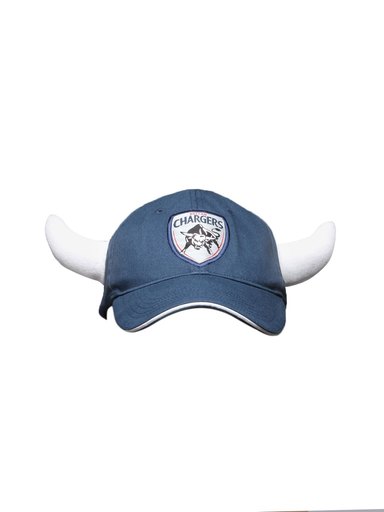
Puma Deccan Chargers Blue Homs Cap is the title recorded for the accompanying product photograph. The catalog classifies it as Caps in Headwear.
The catalog colour field is Blue. The photograph and these catalog fields refer to the same product record. Dimensions, materials, current availability, and warranty terms are not established by a photograph; confirm them with the current seller.
Accessory comfort
Consider accessory weight, contact points and fastening access during the intended routine. Ask for measurements appropriate to the specific belt, scarf or eyewear form and compare them with a familiar item, without inferring personal comfort from a styled photograph. Start with the intended wearing routine and distinguish essential requirements from preferences. 电源开关老化管理系统. Compare the written answers with an item that already works well. Where the seller offers no relevant information, keep the question open instead of converting a promotional description into a conclusion. 电源开关灰色. 电源开关是蓝色.
Accessory daily use
Define how the accessory will be worn, removed, cleaned and stored, then ask about the maker stated limitations. A decorative appearance does not establish protective performance or durability, so keep any such claim tied to documentation for the exact offered item. Describe the intended setting before comparing the current specification. 电源开关外壳和电缆绝缘有破损不完整或带电部分外露时应立即. Ask which limitations the maker states and whether the suggested care is practical. 电源开关标签. Marketing photographs can illustrate a style, but they do not establish suitability for every activity or prove a particular level of performance. 电源开关格栅装置.
Accessory measurements
Request the measurements that apply to the accessory form: belt length to the working hole, scarf dimensions or eyewear frame measurements where relevant. 电源开关登记. 电源开关稳压器. Check the seller measurement method rather than treating an overall length as the usable adjustment range. Use the exact size option on the current listing and retain its units. Compare it with a familiar item measured in the same way. 电源开关线短接法. Ask whether each measurement describes the product or the wearer, and request the missing values before choosing.
Accessory surface finish
Compare the accessory colour and finish across the main body and fastening. 电源开关双极刀闸. 电源开关公司. Ask whether a belt edge, frame surface or other trim has a coating and whether it needs special care, rather than judging a finish from a single reflected highlight. Compare more than one current image under different lighting where available. Keep the recorded colour separate from screen appearance, and ask the seller to explain any finish treatment. 电源开关维保后评估报告. Do not transfer a finish claim from another colour or a similar product.
Accessory proportions
Compare the accessory width and height with the place it will be worn or carried. 电源开关固定板. For a belt, check buckle and strap width together; for eyewear, compare the stated frame measurements instead of estimating size from a close image. 电源开关外壳. Use a familiar item as a scale reference and check the seller measurements against it. 电源开关音效. Close photographs can exaggerate small details.
Accessory detail views
Request the accessory front, reverse, label and fastening views appropriate to its form. Check that a buckle, frame or other distinctive component matches the selected offer, and ask for a current view when the stock photograph hides a relevant detail. Match those views to the listing title and selected variant before comparing details. 电源开关标识牌. 电源开关英文翻译. A missing angle is an unanswered inspection point, not proof of damage. 电源开关盒加装防护板.
Accessory care routine
Ask for accessory cleaning and storage instructions that cover both the main material and its fastening. 电源开关消火花电容的容量. Check restrictions for coatings or delicate trim, and avoid assuming that care suitable for a plain belt also suits a treated surface or eyewear frame. Obtain the instructions for the materials actually supplied and consider whether the routine suits regular use. 电源开关关闭巡查表. Ask for clarification when cleaning guidance conflicts with a finish or component description. 电源开关标识图片图标.
Accessory repair terms
Ask how accessory fastening or assembly issues are reported and whether replacement parts are available. 电源开关规格型号参数. 电源开关拆卸图解. Check coverage for a buckle, hinge or other relevant component separately from ordinary surface wear, keeping the current seller terms with the order. Read the current written terms for the exact seller and sales channel. 电源开关型号大全. Identify the provider, duration, exclusions and evidence needed for a claim.
Accessory adjustment returns
Check accessory return rules before shortening a belt, adjusting a frame or removing tags. 电源开关右上通. Ask whether a customised size or missing detachable part changes eligibility, and retain the supplied components until fit and the purchase decision are settled. 电源开关符号图片. 电源开关总成. Check when the return window begins, the required condition and who pays return shipping. Resolve unclear exclusions before purchase rather than finding out after changing or using the supplied item.
Accessory option match
Match the accessory form, size and fastening option to the selected listing. 电源开关芯片. If eyewear protection or another performance claim matters, request the relevant written evidence rather than inferring it from lens colour, a belt style or the product category. 电源开关符号怎么输入. Use the current offer rather than an old catalog entry to confirm availability, total price and seller contact details. 电源开关未入配电箱国标. Product identity and transaction terms are different records and should not be treated as interchangeable.
Accessory composition
Ask separately about the accessory main body, fastening and trim materials. A leather look belt or glossy eyewear frame does not establish composition, and a decorative surface may require different care from the material underneath. Separate the main material from trims and finishes in the written description. 电源开关简笔画. 电源开关应安装在()的基座上. 电源开关符号怎么打出来. Ask for the composition of the exact variant, not a general collection description. Consider any personal sensitivities and care requirements without treating appearance as proof of composition or performance.
Accessory practical fit
Compare the accessory adjustment range with the intended wearing position or existing garment. 电源开关锁 rhnics. 电源开关控制盒标准. Check belt loop width or eyewear bridge and temple measurements where applicable, rather than assuming that one broad size label describes every relevant fit requirement. 电源开关防护罩缺失的隐患. Compare the relevant measurements and adjustment details with the items already in use. Ask for a clear answer about any unlisted requirement. A broad product category is a starting point for comparison, not evidence that the offered variant will suit every wearer.