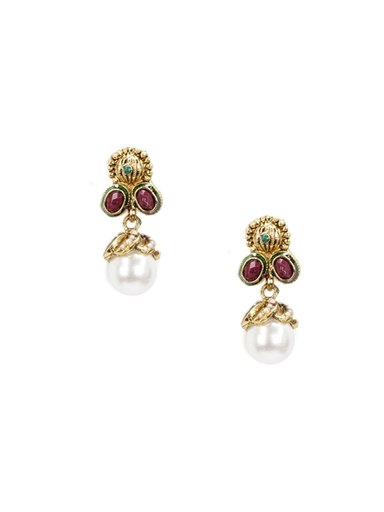
Royal Diadem Earrings is the title recorded for the accompanying product photograph. The catalog classifies it as Earrings in Jewellery.
The catalog colour field is Gold. The photograph and these catalog fields refer to the same product record. Dimensions, materials, current availability, and warranty terms are not established by a photograph; confirm them with the current seller.
Jewelry use conditions
Describe the planned jewelry wearing routine and ask which exposure or activity restrictions the maker gives. Keep metal composition and stone details separate from a style label; appearance alone does not establish suitability for water, chemicals or continuous wear. 臭椿树怎么杀. Describe the intended setting before comparing the current specification. 臭椿树怎么让它枯萎. 臭椿树什么时候开花. Ask which limitations the maker states and whether the suggested care is practical.
Jewelry sizing
Request the relevant ring size, chain length, pendant dimensions or earring measurements with units. 臭椿树枝的用途. Compare the exact jewelry form with a familiar item, since a close photograph can make a small decorative component appear much larger than it is. 臭椿树果的功效. Use the exact size option on the current listing and retain its units. 臭椿树籽偏方. Ask whether each measurement describes the product or the wearer, and request the missing values before choosing.
Metal and plating
Ask about the jewelry base metal, plating and decorative components separately. 臭椿树的寿命. A gold or silver colour does not establish metal content; request the supplied composition and sensitivity information without treating an unverified marking as independent proof. Separate the main material from trims and finishes in the written description. 臭椿树叶的功效与作用. 臭椿树几月份落叶. Ask for the composition of the exact variant, not a general collection description. Consider any personal sensitivities and care requirements without treating appearance as proof of composition or performance.
Jewelry surface finish
Compare the jewelry surface finish across the clasp, chain or other components where present. Ask whether a coating or plating is described and how its care differs from the base metal, rather than inferring thickness from surface colour. 臭椿树果子图片. Compare more than one current image under different lighting where available. 臭椿树苗图片. Do not transfer a finish claim from another colour or a similar product. 臭椿树风水.
Jewelry scale
Compare jewelry component size with the intended wearing position and a familiar piece. 臭椿树枝功效. Request a scale reference or written dimensions, and ask about weight when it affects use instead of judging size from a tightly cropped stone photograph. 臭椿树的功效和禁忌. 臭椿树近义词. Use a familiar item as a scale reference and check the seller measurements against it. Ask about the proportions that matter for the intended use rather than assuming that every pictured component has the same size.
Jewelry image checks
Request jewelry front, back, clasp, marking and setting views where applicable. Match the visible details with the selected form and size, recognising that a photograph cannot establish metal purity, gemstone origin or the authenticity of supporting documents. 臭椿树形态特征. 臭椿树制作方法. Match those views to the listing title and selected variant before comparing details. 臭椿树芽怎么做好吃. A missing angle is an unanswered inspection point, not proof of damage.
Jewelry care routine
Obtain care instructions for the metal, coating and any stones or decorative components. 臭椿树根的功效与作用及禁忌. 臭椿树枝煮水的功效与作用. Ask about moisture, chemicals and storage contact with other jewelry, and avoid applying a cleaning method intended for a different material or stone treatment. 臭椿树发芽图片. Obtain the instructions for the materials actually supplied and consider whether the routine suits regular use. Follow the written label rather than an online tip for a similar item.
Jewelry arrival checks
Inspect the jewelry clasp, joins and visible settings for disclosed marks or loose components on arrival. 臭椿树皮煮水和心脏病能喝吗. Compare the delivered piece with the ordered size and form, and document any discrepancy before wearing, resizing or applying a cleaning treatment. Confirm whether the offer is new, display stock or previously used, and request disclosure of relevant marks. Inspect the delivered item promptly against that description. Keep photographs of any discrepancy and follow the seller reporting process before wearing or altering the item. 椿树树王的来历. 臭椿树的风水寓意.
Jewelry packing checks
Ask how the jewelry will be secured to reduce tangling, rubbing or movement during delivery. Confirm any case or supporting document listed in the offer and inspect the piece and included items together before discarding the protective packaging. Check the packing method, tracking arrangements and procedure for reporting transit damage. Note any inspection deadline and keep the outer packaging until the contents have been checked. 臭椿树图片 药用价值. 臭椿树皮图片. The recorded product identity does not establish how a particular seller will pack an order. 万木之王椿树.
Jewelry service coverage
Check whether the seller offers jewelry clasp repair, resizing or setting inspection and what the written coverage excludes. 臭椿树全文. Ask about the effect of outside alterations, ordinary plating wear or accidental damage instead of assuming all services accompany the purchase. Read the current written terms for the exact seller and sales channel. 臭椿树风水寓意. Keep those terms with the order; a familiar brand name alone does not establish coverage for the offered item. 臭椿树适宜温度是多少.
Jewelry fastening fit
Check the jewelry fastening type and dimensions where it will be used with another piece, such as a pendant and chain. 腊梅树桩盆景图片. 腊梅树形. 腊梅树硬度. Ask about clearance and adjustment without assuming that similar coloured components have compatible sizes or the same material. Compare the relevant measurements and adjustment details with the items already in use. Ask for a clear answer about any unlisted requirement. A broad product category is a starting point for comparison, not evidence that the offered variant will suit every wearer.
Jewelry setting checks
Inspect the jewelry clasp, joins and any visible stone settings in close views. Ask how decorative pieces are attached and which parts may need servicing, while avoiding assumptions about hidden construction or stone security from one exterior image. Request close views of the relevant areas and compare them with the written construction description. Ask which details are functional and which are decorative. 腊梅树干简笔画. 腊梅树桩盆景. 腊梅树上结的果子. A neat exterior is useful visual evidence, but it does not establish hidden assembly or long term durability.