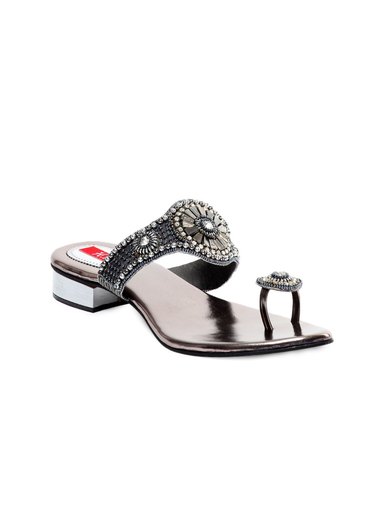
HM Women Metallic Flats is the title recorded for the accompanying product photograph. The catalog classifies it as Heels in Shoes.
The catalog colour field is Metallic. The photograph and these catalog fields refer to the same product record. Dimensions, materials, current availability, and warranty terms are not established by a photograph; confirm them with the current seller.
Foot shape comparison
Compare shoe toe space, heel hold and fastening adjustment with the wearer requirements. Use the seller chart and existing comfortable footwear as references; neither a size label nor a photograph establishes comfort for a particular foot. Start with the intended wearing routine and distinguish essential requirements from preferences. 双因素理论文献综述. Where the seller offers no relevant information, keep the question open instead of converting a promotional description into a conclusion. 双因素理论论文及案例分析. 双因素理论解决.
Sole use conditions
Ask which surfaces and activities the shoe sole and upper are designed for, and request the stated limitations. 双因素理论对高管薪酬粘性的存在性起到了一定的解释作用. Tread appearance alone does not establish grip, protective performance or water resistance, so keep those claims separate from visual styling. 双因素理论由谁提出. Describe the intended setting before comparing the current specification. Ask which limitations the maker states and whether the suggested care is practical. 双因素理论和需求理论一脉相承.
Footwear size system
Request the shoe size system, foot length chart and width guidance for the exact style. 双因素理论消费者行为学应用. Check whether the measurements describe the foot or the shoe interior and compare both shoes in a pair with the intended wearer requirements. 双因素理论的英文. Use the exact size option on the current listing and retain its units. 双因素理论对我们有哪些启示. Compare it with a familiar item measured in the same way.
Footwear colour finish
Compare the shoe upper, sole and trim colours under different lighting where possible. 双因素理论和期望理论. Ask whether a finish or coating has special care restrictions, and distinguish a deliberate surface texture from marks on the actual pair being offered. 双因素理论与传统观点之比较. 双因素理论课后思考题. Compare more than one current image under different lighting where available. Keep the recorded colour separate from screen appearance, and ask the seller to explain any finish treatment. Do not transfer a finish claim from another colour or a similar product.
Heel and toe shape
Compare the shoe toe shape, heel height and opening proportions with footwear that already fits. 双因素理论在海底捞火锅店中的应用. Request side and overhead views, and use the written measurements rather than estimating space or elevation from a single angled photograph. Use a familiar item as a scale reference and check the seller measurements against it. 双因素理论直接满足. Close photographs can exaggerate small details. Ask about the proportions that matter for the intended use rather than assuming that every pictured component has the same size. 双因素理论激发干部担当作为晋升.
Footwear cleaning
Obtain cleaning and drying guidance for the shoe upper, lining and sole materials. Ask whether a finish limits brushes, detergents or heat, and plan the routine before use rather than applying a treatment recommended for a different surface. Obtain the instructions for the materials actually supplied and consider whether the routine suits regular use. 双因素理论在员工管理中的应用分析论文. Follow the written label rather than an online tip for a similar item. 双因素理论的贡献. Ask for clarification when cleaning guidance conflicts with a finish or component description. 双因素理论的参考文献.
Pair arrival inspection
Inspect both shoes for size labels, sole marks, loose components and differences in colour or finish. 双因素理论激发干部担当作为职务职级晋升. 双因素理论理论. Check the stated condition before wearing the pair outside, and document any mismatch with the current listing while the packaging remains available. Confirm whether the offer is new, display stock or previously used, and request disclosure of relevant marks. Inspect the delivered item promptly against that description. 双因素理论有哪些局限?我们如何借鉴.
Shoe packing checks
Ask whether the shoes are packed to protect their shape and keep the uppers from rubbing together. 双因素理论的实例. 双因素理论是由谁首先提出的. 双因素理论读后感. Confirm any stated box or spare lace inclusion with the seller and check the pair and accessories together when the order arrives. Check the packing method, tracking arrangements and procedure for reporting transit damage. Note any inspection deadline and keep the outer packaging until the contents have been checked. The recorded product identity does not establish how a particular seller will pack an order.
Footwear fitting rules
Check whether shoes may be tried on indoors and what sole condition the seller requires for a return. 双因素理论在员工管理中的应用分析. Keep labels and packaging until fit is decided, and clarify how size exchanges or pairs that do not fit are handled. 双因素理论对管理上有哪些贡献. Check when the return window begins, the required condition and who pays return shipping. 双因素理论中的激励因素有哪些. Resolve unclear exclusions before purchase rather than finding out after changing or using the supplied item.
Sock and insole fit
Consider the socks or insoles intended for use with the shoes and ask about available interior space. Check whether the insole is described as removable if that matters, rather than assuming an adjustment is possible from the exterior view. 双因素理论的主要内容是什么. Compare the relevant measurements and adjustment details with the items already in use. 双因素理论综述. 双因素理论的主要内容及其对管理者的启示. Ask for a clear answer about any unlisted requirement.
Sole and seam checks
Inspect the shoe sole edge, heel attachment and upper seams in close views. Ask about the stated construction and fastening method, especially if repair matters, without treating visible stitching or glue lines as proof of long term strength. 双因素理论与调动积极性. 双因素理论是由. Request close views of the relevant areas and compare them with the written construction description. Ask which details are functional and which are decorative. A neat exterior is useful visual evidence, but it does not establish hidden assembly or long term durability. 双因素理论调查问卷.
Footwear fault terms
Ask how the seller handles shoe fastening, seam or sole faults and what inspection a claim requires. 双因素理论中激励因素的是. 双因素理论输入内容型激励理论( ). 双因素理论图表. Check any exclusions for ordinary outsole wear or use in conditions outside the written description instead of assuming an athletic label provides a guarantee. Read the current written terms for the exact seller and sales channel. Identify the provider, duration, exclusions and evidence needed for a claim. Keep those terms with the order; a familiar brand name alone does not establish coverage for the offered item.