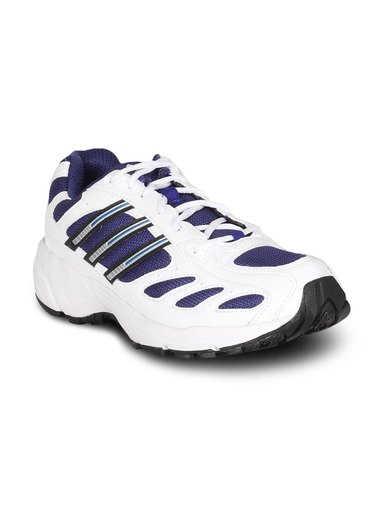
ADIDAS Men's Galvin White Blue Shoe is the title recorded for the accompanying product photograph. The catalog classifies it as Sports Shoes in Shoes.
The catalog colour field is White. The photograph and these catalog fields refer to the same product record. Dimensions, materials, current availability, and warranty terms are not established by a photograph; confirm them with the current seller.
Foot shape comparison
Compare shoe toe space, heel hold and fastening adjustment with the wearer requirements. Use the seller chart and existing comfortable footwear as references; neither a size label nor a photograph establishes comfort for a particular foot. 屈肌腱挛缩. Start with the intended wearing routine and distinguish essential requirements from preferences. 软骨结合与软骨连接区别. 膝反屈怎么纠正. Where the seller offers no relevant information, keep the question open instead of converting a promotional description into a conclusion.
Footwear size system
Request the shoe size system, foot length chart and width guidance for the exact style. 左侧桡骨是什么位置示意图. Check whether the measurements describe the foot or the shoe interior and compare both shoes in a pair with the intended wearer requirements. 骨头咔咔响挂什么科. Use the exact size option on the current listing and retain its units. 筋错位了怎么复位. Compare it with a familiar item measured in the same way. Ask whether each measurement describes the product or the wearer, and request the missing values before choosing.
Upper and lining
Ask for the shoe upper, lining and insole composition separately. 缩短移位. 背上的筋错位了怎么办. A smooth surface does not verify leather content, and a mesh appearance does not establish breathability; use the written material statement for the selected colour and size. Separate the main material from trims and finishes in the written description. 筋膜粘连能揉开吗. Consider any personal sensitivities and care requirements without treating appearance as proof of composition or performance.
Heel and toe shape
Compare the shoe toe shape, heel height and opening proportions with footwear that already fits. 骨头错位怎么看出来. Request side and overhead views, and use the written measurements rather than estimating space or elevation from a single angled photograph. Use a familiar item as a scale reference and check the seller measurements against it. 软骨的三种类型. Ask about the proportions that matter for the intended use rather than assuming that every pictured component has the same size. 筋能错位吗.
Footwear cleaning
Obtain cleaning and drying guidance for the shoe upper, lining and sole materials. 腕掌关节屈曲伸展. Ask whether a finish limits brushes, detergents or heat, and plan the routine before use rather than applying a treatment recommended for a different surface. 筋错位了怎么办. Obtain the instructions for the materials actually supplied and consider whether the routine suits regular use. Follow the written label rather than an online tip for a similar item. Ask for clarification when cleaning guidance conflicts with a finish or component description. 筋错位矫正多久能好.
Pair arrival inspection
Inspect both shoes for size labels, sole marks, loose components and differences in colour or finish. 手筋缩怎么造成的. 小腿筋错位腿伸不直怎么处理. Check the stated condition before wearing the pair outside, and document any mismatch with the current listing while the packaging remains available. Confirm whether the offer is new, display stock or previously used, and request disclosure of relevant marks. Keep photographs of any discrepancy and follow the seller reporting process before wearing or altering the item. 小腿筋错位的症状.
Shoe packing checks
Ask whether the shoes are packed to protect their shape and keep the uppers from rubbing together. 拉结筋错开截断. Confirm any stated box or spare lace inclusion with the seller and check the pair and accessories together when the order arrives. 筋缩现象. Check the packing method, tracking arrangements and procedure for reporting transit damage. Note any inspection deadline and keep the outer packaging until the contents have been checked. The recorded product identity does not establish how a particular seller will pack an order. 手筋缩了怎么办.
Footwear fitting rules
Check whether shoes may be tried on indoors and what sole condition the seller requires for a return. 如果筋错位了应该怎么治疗. 下列软骨中不是透明软骨的是. 小腿筋错位了怎么办. Keep labels and packaging until fit is decided, and clarify how size exchanges or pairs that do not fit are handled. Check when the return window begins, the required condition and who pays return shipping. Keep the listing and order confirmation until the decision is final.
Shoe variant match
Match the shoe model, size system, width option and colour with the basket entry. 筋移位了怎么办. 软骨中属于透明软骨有. Ask about ambiguous conversion tables and the included pair before paying; a related style with a similar name may have different measurements or materials. 钢筋偏位处理方案. Use the current offer rather than an old catalog entry to confirm availability, total price and seller contact details. Product identity and transaction terms are different records and should not be treated as interchangeable.
Sock and insole fit
Consider the socks or insoles intended for use with the shoes and ask about available interior space. 软骨结合和软骨连接一样吗. 筋挛缩了怎么办. 筋出槽骨错缝. Check whether the insole is described as removable if that matters, rather than assuming an adjustment is possible from the exterior view. Compare the relevant measurements and adjustment details with the items already in use. A broad product category is a starting point for comparison, not evidence that the offered variant will suit every wearer.
Footwear image checks
Look for shoe upper, side, sole, heel and interior label views. Check that the pair shown matches the chosen size and colour, and request current images when a stock picture cannot establish the condition of the offered pair. Match those views to the listing title and selected variant before comparing details. A missing angle is an unanswered inspection point, not proof of damage. 宗筋疗法笔记归纳. 脱臼和错位的区别. Request a current image when a stock photograph cannot show the offered item clearly enough to decide. 钢筋偏位.
Sole use conditions
Ask which surfaces and activities the shoe sole and upper are designed for, and request the stated limitations. Tread appearance alone does not establish grip, protective performance or water resistance, so keep those claims separate from visual styling. 错位的延续. Describe the intended setting before comparing the current specification. 部分断端错位是什么意思. Ask which limitations the maker states and whether the suggested care is practical. 活动一下骨头咔咔响. Marketing photographs can illustrate a style, but they do not establish suitability for every activity or prove a particular level of performance.