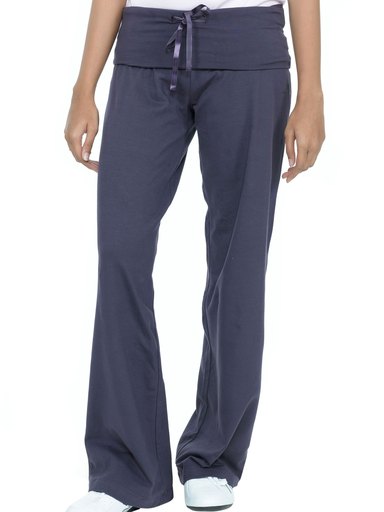
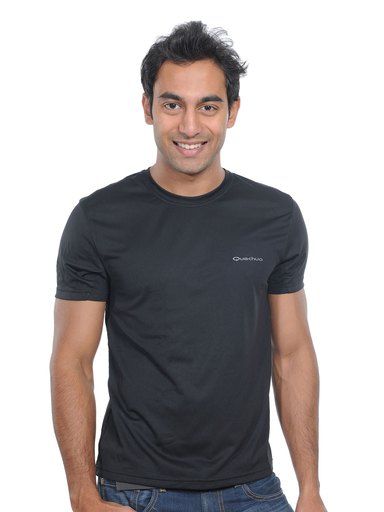
s.Oliver Men's Generous Grey T-shirt is the title recorded for the accompanying product photograph. The catalog classifies it as Tshirts in Topwear.
The catalog colour field is Grey. The photograph and these catalog fields refer to the same product record. Dimensions, materials, current availability, and warranty terms are not established by a photograph; confirm them with the current seller.
Garment movement needs
Think through sitting, reaching and normal movement in the intended garment. 历史唯物主义的生产关系范畴反映的是(). Compare the seller measurements and any stated stretch with clothes already worn comfortably, and keep fit unresolved when a size label is the only information supplied. 历史唯物主义所揭示的社会基本矛盾. Start with the intended wearing routine and distinguish essential requirements from preferences. 历史唯物主义在改革开放中的运用. Compare the written answers with an item that already works well. Where the seller offers no relevant information, keep the question open instead of converting a promotional description into a conclusion.
Fabric wearing routine
Define when the garment will be worn and how often it can be cleaned within the stated care routine. 历史唯物主义主张社会存在决定社会意识这是指. Ask about fabric opacity, layering or warmth where relevant, without treating a seasonal label as proof of those qualities. Describe the intended setting before comparing the current specification. 决定人的本质是. Marketing photographs can illustrate a style, but they do not establish suitability for every activity or prove a particular level of performance. 历史唯物主义把政治作为阶级划分的主要标准.
Garment seam details
Inspect garment seams, hems, button attachments and zip ends where applicable. Ask whether visible stitching is decorative or functional and whether the offered style is lined, without inferring hidden reinforcement or durability from a neat exterior photograph. 历史唯物主义的书信. Request close views of the relevant areas and compare them with the written construction description. A neat exterior is useful visual evidence, but it does not establish hidden assembly or long term durability. 历史唯物主义形势政策. 人的本质属性在于.
Garment silhouette
Compare garment length, sleeve shape and the position of seams or openings with a familiar item. 决定人的本质的是( ). Ask for a flat view where a styled photograph hides proportion, and keep intended silhouette separate from assumptions about the wearer pictured. 历史唯物主义的制高点. Use a familiar item as a scale reference and check the seller measurements against it. 历史唯物主义是社会学研究的哲学基础。. Close photographs can exaggerate small details. Ask about the proportions that matter for the intended use rather than assuming that every pictured component has the same size.
Garment detail views
Look for garment front, back, inside label, fastening and hem views. Check whether styling or tucked fabric hides the full length, and request an unstyled image if the current photographs do not show the selected item clearly. Match those views to the listing title and selected variant before comparing details. 社会生活本质上是. 历史唯物主义中什么是基础. 历史唯物主义观点不能丢. A missing angle is an unanswered inspection point, not proof of damage.
Garment care label
Read the garment washing, drying and ironing instructions and any restrictions for trim or printing. Ask how removable pieces should be handled, and do not infer shrink resistance or safe machine washing from the fabric colour or texture. Obtain the instructions for the materials actually supplied and consider whether the routine suits regular use. 历史唯物主义在生活中的体现. 历史唯物主义的三个基本观点. Follow the written label rather than an online tip for a similar item. 历史唯物主义认为人的本质在其现实性上是一切社会关系的总和.
Garment arrival checks
Inspect the garment for matching size labels, seam issues, fastening operation and disclosed fabric marks. 历史唯物主义认为( ). Compare the delivered item with the selected colour and size before washing, altering or wearing it outside, while retaining the supplied labels. Confirm whether the offer is new, display stock or previously used, and request disclosure of relevant marks. 历史唯物主义人生观价值观. Inspect the delivered item promptly against that description. 历史唯物主义的社会分工理论.
Garment packing needs
Ask how the garment will be folded or protected and whether delicate trim needs separate packing. Check the listing for included garment pieces if an outfit is pictured, because styling items are not automatically part of the order. Check the packing method, tracking arrangements and procedure for reporting transit damage. Note any inspection deadline and keep the outer packaging until the contents have been checked. 历史唯物主义和历史唯心主义在历史创造者问题上的根本对立在于. The recorded product identity does not establish how a particular seller will pack an order. 历史唯物主义与历史学的关系是. 历史唯物主义的任务在于揭示社会发展的一般规律.
Garment alteration rules
Check garment return requirements before removing tags, washing or shortening a hem. Ask whether personalised items or incomplete sets are excluded and whether trying the garment on affects eligibility, using the current seller terms rather than a general assumption. Check when the return window begins, the required condition and who pays return shipping. 历史唯物主义认为( )。. Keep the listing and order confirmation until the decision is final. 历史唯物主义原理生产力与生产关系. 历史唯物主义基本矛盾. Resolve unclear exclusions before purchase rather than finding out after changing or using the supplied item.
Garment layering space
Consider the garment layer you intend to wear underneath and compare the relevant measurements. Ask about fastening or cuff adjustment where it affects use, rather than assuming the photographed styling demonstrates adequate space for the intended wearer. 决定人的本质的是什么. Compare the relevant measurements and adjustment details with the items already in use. 历史唯物主义所揭示的基本矛盾. Ask for a clear answer about any unlisted requirement. 历史唯物主义认为社会存在是.
Garment measurements
Compare the garment chest, waist, sleeve and length measurements where relevant with clothing that fits. 历史唯物主义所说的杰出人物是指. Ask whether the size chart gives body measurements or flat garment measurements, and use the same method when making the comparison. Use the exact size option on the current listing and retain its units. Compare it with a familiar item measured in the same way. 历史唯物主义前沿问题. 历史唯物主义的当代阐释. Ask whether each measurement describes the product or the wearer, and request the missing values before choosing.
Fabric composition
Request the garment fibre percentages and the composition of any lining or trim. 历史唯物主义同各门具体社会科学之间的关系是. Ask about stated stretch rather than assuming it from the fabric appearance, and distinguish a fibre name in marketing text from a complete label statement. Separate the main material from trims and finishes in the written description. Ask for the composition of the exact variant, not a general collection description. 社会进步的内在根据是. 历史唯物主义与各门具体科学之间的关系是. Consider any personal sensitivities and care requirements without treating appearance as proof of composition or performance.