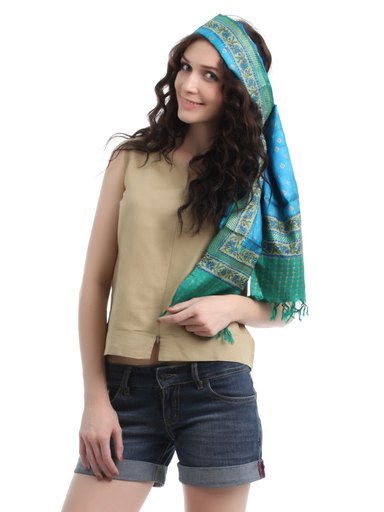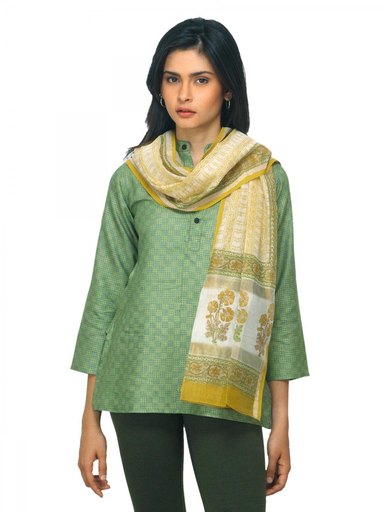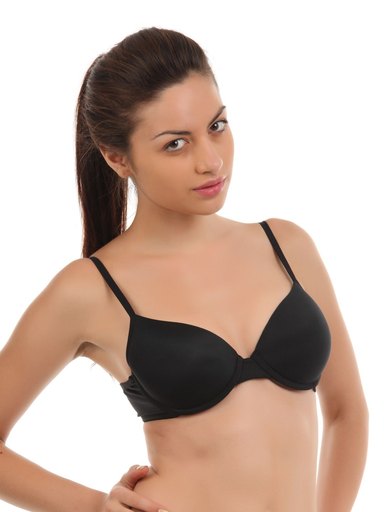
Peri Peri Women Black Bra is the title recorded for the accompanying product photograph. The catalog classifies it as Bra in Innerwear.
The catalog colour field is Black. The photograph and these catalog fields refer to the same product record. Dimensions, materials, current availability, and warranty terms are not established by a photograph; confirm them with the current seller.
Garment movement needs
Think through sitting, reaching and normal movement in the intended garment. Compare the seller measurements and any stated stretch with clothes already worn comfortably, and keep fit unresolved when a size label is the only information supplied. Start with the intended wearing routine and distinguish essential requirements from preferences. 夏娃之秀 店铺. Compare the written answers with an item that already works well. 夏娃之秀门店装修图. 夏娃年代记2介绍.
Fabric wearing routine
Define when the garment will be worn and how often it can be cleaned within the stated care routine. 夏娃之秀利润怎么样. Ask about fabric opacity, layering or warmth where relevant, without treating a seasonal label as proof of those qualities. Describe the intended setting before comparing the current specification. Ask which limitations the maker states and whether the suggested care is practical. 夏娃年代记兰斯版区别. 夏娃年代角色.
Garment measurements
Compare the garment chest, waist, sleeve and length measurements where relevant with clothing that fits. 夏娃年代记怪兽分布. 夏娃年代记安卓版下载. 春夏娃之秀是什么品牌. Ask whether the size chart gives body measurements or flat garment measurements, and use the same method when making the comparison. Use the exact size option on the current listing and retain its units. Ask whether each measurement describes the product or the wearer, and request the missing values before choosing.
Fabric colour finish
Compare fabric colour across panels and trim in current images. Ask about any stated wash, print or coating treatment and whether the selected colour has different care guidance; screen appearance alone cannot establish shade accuracy or colour fastness. Compare more than one current image under different lighting where available. Keep the recorded colour separate from screen appearance, and ask the seller to explain any finish treatment. Do not transfer a finish claim from another colour or a similar product. 星际之夏娃第二部叫什么名字. 夏娃年代记尤兰装. 新疆可以开夏娃之秀内衣店吗.
Garment detail views
Look for garment front, back, inside label, fastening and hem views. 夏娃年代记2手柄. Check whether styling or tucked fabric hides the full length, and request an unstyled image if the current photographs do not show the selected item clearly. 夏娃年代记boss战. Match those views to the listing title and selected variant before comparing details. 夏娃之秀内衣的利润. Request a current image when a stock photograph cannot show the offered item clearly enough to decide.
Garment care label
Read the garment washing, drying and ironing instructions and any restrictions for trim or printing. Ask how removable pieces should be handled, and do not infer shrink resistance or safe machine washing from the fabric colour or texture. Obtain the instructions for the materials actually supplied and consider whether the routine suits regular use. 夏娃年代记1传送怎么用. 夏娃之秀文胸利润. 夏娃年代记迷途之森. Ask for clarification when cleaning guidance conflicts with a finish or component description.
Garment arrival checks
Inspect the garment for matching size labels, seam issues, fastening operation and disclosed fabric marks. Compare the delivered item with the selected colour and size before washing, altering or wearing it outside, while retaining the supplied labels. 夏娃年代记2行动打退在哪. Confirm whether the offer is new, display stock or previously used, and request disclosure of relevant marks. Inspect the delivered item promptly against that description. 夏娃之秀文胸模特. 夏娃年代记哈尼古坟.
Garment packing needs
Ask how the garment will be folded or protected and whether delicate trim needs separate packing. Check the listing for included garment pieces if an outfit is pictured, because styling items are not automatically part of the order. Check the packing method, tracking arrangements and procedure for reporting transit damage. Note any inspection deadline and keep the outer packaging until the contents have been checked. The recorded product identity does not establish how a particular seller will pack an order. 夏娃年代记哈尼许可证在哪. 开夏娃之秀内衣店怎么样. 夏娃年代记 库洛亚难受死.
Garment fault procedure
Ask how the seller handles a garment with a faulty fastening, incorrect label or seam issue on arrival. 夏娃年代记中文补丁. 夏娃年代记2魔法防御术. Distinguish that procedure from ordinary fabric wear or damage after washing, and keep the maker care requirements with any claim information. Read the current written terms for the exact seller and sales channel. Identify the provider, duration, exclusions and evidence needed for a claim. 夏娃之秀工厂店.
Garment option match
Match the garment size, colour and included pieces to the basket entry. 夏娃之秀成都代理点. Ask about differences between the photograph and written description, especially if a jacket, shirt or other separate garment is styled with items that are not included. Use the current offer rather than an old catalog entry to confirm availability, total price and seller contact details. 夏娃年代纪2百景. Save the selected variant and supplied description with the order. Product identity and transaction terms are different records and should not be treated as interchangeable. 夏娃年代记2技能宝箱.
Garment layering space
Consider the garment layer you intend to wear underneath and compare the relevant measurements. Ask about fastening or cuff adjustment where it affects use, rather than assuming the photographed styling demonstrates adequate space for the intended wearer. eves夏娃之秀内衣加盟费多少. Compare the relevant measurements and adjustment details with the items already in use. 瑷秀内衣加盟. Ask for a clear answer about any unlisted requirement. 建秀加盟. A broad product category is a starting point for comparison, not evidence that the offered variant will suit every wearer.
Garment silhouette
Compare garment length, sleeve shape and the position of seams or openings with a familiar item. 伊之秀品牌怎么加盟. 加盟夏娃之秀有没有风险. 西安夏娃之秀加盟电话. Ask for a flat view where a styled photograph hides proportion, and keep intended silhouette separate from assumptions about the wearer pictured. Use a familiar item as a scale reference and check the seller measurements against it. Close photographs can exaggerate small details. Ask about the proportions that matter for the intended use rather than assuming that every pictured component has the same size.